Quick Answer
What's the difference between black cohosh and other menopause herbs?
Black cohosh acts as a selective estrogen receptor modulator with strong evidence for hot flash relief, while red clover provides phytoestrogens, dong quai supports circulation, and evening primrose oil addresses skin and mood symptoms through different mechanisms.
How Black Cohosh Differs from Other Menopause Herbs
Black cohosh stands apart from other menopause herbs through its unique mechanism of action as a selective estrogen receptor modulator (SERM). Unlike herbs that contain plant estrogens or support general hormonal function, black cohosh specifically binds to estrogen receptors in ways that can reduce hot flashes without significantly affecting reproductive tissues.
This distinction matters because different herbs address menopause symptoms through entirely different pathways. Understanding these differences helps explain why some women respond better to certain herbs than others, and why combination approaches often prove more effective than single-herb protocols.
Black Cohosh: The SERM Approach
Black cohosh (Cimicifuga racemosa) works primarily by modulating estrogen receptor activity rather than providing estrogen-like compounds. Research shows it binds selectively to estrogen receptor beta, which is concentrated in areas like the brain’s thermoregulatory center — explaining its effectiveness for hot flashes.
The herb also influences luteinizing hormone (LH) levels, helping to stabilize the hormonal fluctuations that drive many menopause symptoms. Clinical trials consistently show black cohosh reducing hot flash frequency by 20-26% compared to placebo, with effects typically appearing within 4-8 weeks of consistent use.
Quality matters significantly with black cohosh. Pure Encapsulations Black Cohosh 2.5 provides a standardized extract that ensures consistent potency, which is crucial given the wide variation in black cohosh preparations on the market.
What Black Cohosh Does Well
- Reduces hot flash frequency and intensity- May improve sleep quality by reducing night sweats- Supports mood stability during hormonal transitions- Works relatively quickly (4-8 weeks for full effect)
Black Cohosh Limitations
- Limited evidence for vaginal dryness or bone health- May cause mild digestive upset in some women- Not recommended for women with liver conditions- Effects plateau after several months of use
Red Clover: The Phytoestrogen Source
Red clover (Trifolium pratense) takes a fundamentally different approach, providing isoflavones — plant compounds that structurally resemble human estrogen. These isoflavones, primarily genistein and daidzein, can bind to estrogen receptors throughout the body, though with much weaker activity than human estrogen.
The phytoestrogen approach works best for women experiencing multiple menopause symptoms, as these compounds can influence various tissues. Research shows red clover may help with hot flashes, bone density, and cardiovascular health, though effects are generally milder than those seen with black cohosh for vasomotor symptoms specifically.
Individual response to red clover varies significantly based on gut bacteria composition. Women who can convert daidzein to equol (a more potent metabolite) tend to see better results, but only about 30-50% of Western women have this bacterial capacity.
Dong Quai: The Circulation Enhancer
Dong quai (Angelica sinensis) works primarily through its effects on circulation and blood vessel function rather than direct hormonal modulation. The herb contains coumarins and other compounds that support vascular health, which can help with symptoms like hot flashes that involve blood vessel dilation.
Traditional Chinese medicine typically uses dong quai in combination formulas rather than as a single herb. Research on dong quai alone for menopause symptoms shows mixed results, but it appears more effective when combined with other herbs that address different aspects of hormonal transition. For women interested in trying dong quai as a single herb, Horbäach Dong Quai Capsules provides a standardized root extract that maintains the traditional potency used in research studies.
Evening Primrose Oil: The Fatty Acid Approach
Evening primrose oil provides gamma-linolenic acid (GLA), an omega-6 fatty acid that serves as a precursor to anti-inflammatory compounds. This mechanism makes it particularly useful for menopause symptoms related to inflammation and skin changes rather than hormonal fluctuations directly.
Women often find evening primrose oil helpful for breast tenderness, skin dryness, and mood-related symptoms. However, research shows minimal benefit for hot flashes compared to herbs that work through estrogen pathways. NOW Foods Super Primrose 1300 mg delivers a concentrated dose of naturally occurring GLA that supports the body’s healthy inflammatory response, particularly beneficial for skin barrier function during menopause.
Combination Approaches: Why They Often Work Better
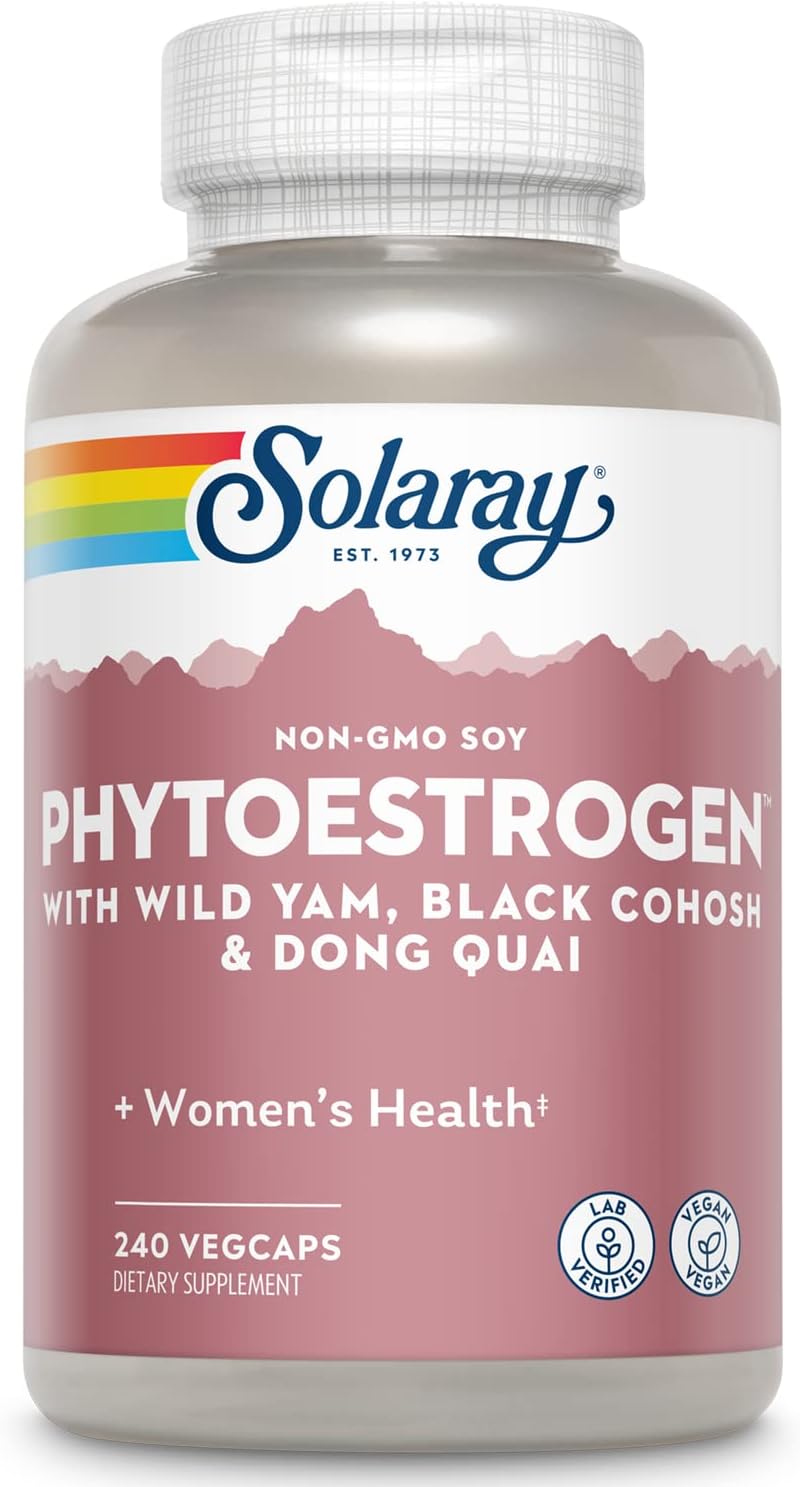
Many women find success with combination formulas that address multiple pathways simultaneously. SOLARAY PhytoEstrogen Menopause Supplements combines black cohosh with dong quai, wild yam, and soy isoflavones, targeting both SERM activity and phytoestrogen pathways.
This multi-herb approach can be particularly effective because menopause involves complex hormonal changes that affect multiple body systems. While black cohosh might address hot flashes effectively, adding herbs that support other aspects of hormonal transition can provide more comprehensive symptom relief.
Timing and Interaction Considerations
Different herbs have different onset times and may interact with each other or medications. Black cohosh typically shows effects within 4-8 weeks, while phytoestrogen-containing herbs may take 8-12 weeks for full benefits. Evening primrose oil effects on skin and mood may be noticeable within 2-4 weeks.
Choosing Based on Your Symptoms
The most appropriate herb depends largely on your primary symptoms and overall health profile:
For Primarily Hot Flashes and Night Sweats
Black cohosh shows the strongest evidence for vasomotor symptoms. Its SERM activity directly addresses the mechanisms behind hot flashes, making it the first-line choice for women whose main concern is temperature regulation.
For Multiple Menopause Symptoms
Red clover or combination formulas may be more appropriate when dealing with hot flashes plus bone concerns, cardiovascular health, or multiple symptoms simultaneously. The broader activity of phytoestrogens can address various aspects of estrogen decline.
For Circulation and Energy Issues
Dong quai works well for women experiencing fatigue, poor circulation, or symptoms that seem related to blood flow rather than direct hormonal effects. It’s often most effective as part of a broader herbal protocol.
For Skin, Mood, and Inflammatory Symptoms
Evening primrose oil addresses the inflammatory component of menopause symptoms, making it useful for breast tenderness, skin changes, and mood fluctuations that don’t respond well to estrogen-modulating herbs.
Safety and Contraindication Differences
Each herb carries different safety considerations. Black cohosh should be avoided by women with liver conditions and may interact with certain medications. Red clover contains compounds that can affect blood clotting, making it inappropriate for women on anticoagulant therapy.
Dong quai also has blood-thinning properties and can increase photosensitivity. Evening primrose oil is generally well-tolerated but may lower seizure threshold in susceptible individuals.
Frequently Asked Questions
Can you take black cohosh with other menopause herbs?
Yes, black cohosh is commonly combined with other menopause herbs and may be more effective in combination. However, start with one herb at a time to assess individual response and potential side effects before adding others.
How long does it take to see results from different menopause herbs?
Black cohosh typically shows effects within 4-8 weeks, red clover and other phytoestrogen herbs may take 8-12 weeks, while evening primrose oil effects on skin and mood may be noticeable within 2-4 weeks. Dong quai effects vary widely depending on the specific symptoms being addressed.
Are there any menopause herbs that work better than others?
Black cohosh has the strongest research evidence for hot flashes specifically, but “better” depends on your individual symptoms and how your body responds. Some women respond well to phytoestrogens while others see no benefit, making individual trial often necessary to find the most effective approach.
The Bottom Line
Black cohosh distinguishes itself from other menopause herbs through its specific SERM activity, making it particularly effective for hot flashes and night sweats. Red clover provides broader phytoestrogen support, dong quai addresses circulation-related symptoms, and evening primrose oil tackles inflammatory aspects of menopause.
Rather than viewing these herbs as competing options, consider them as addressing different aspects of the complex hormonal transition that is menopause. The most effective approach often involves understanding which mechanisms are most relevant to your specific symptom pattern and choosing herbs accordingly — whether singly or in thoughtful combination.